
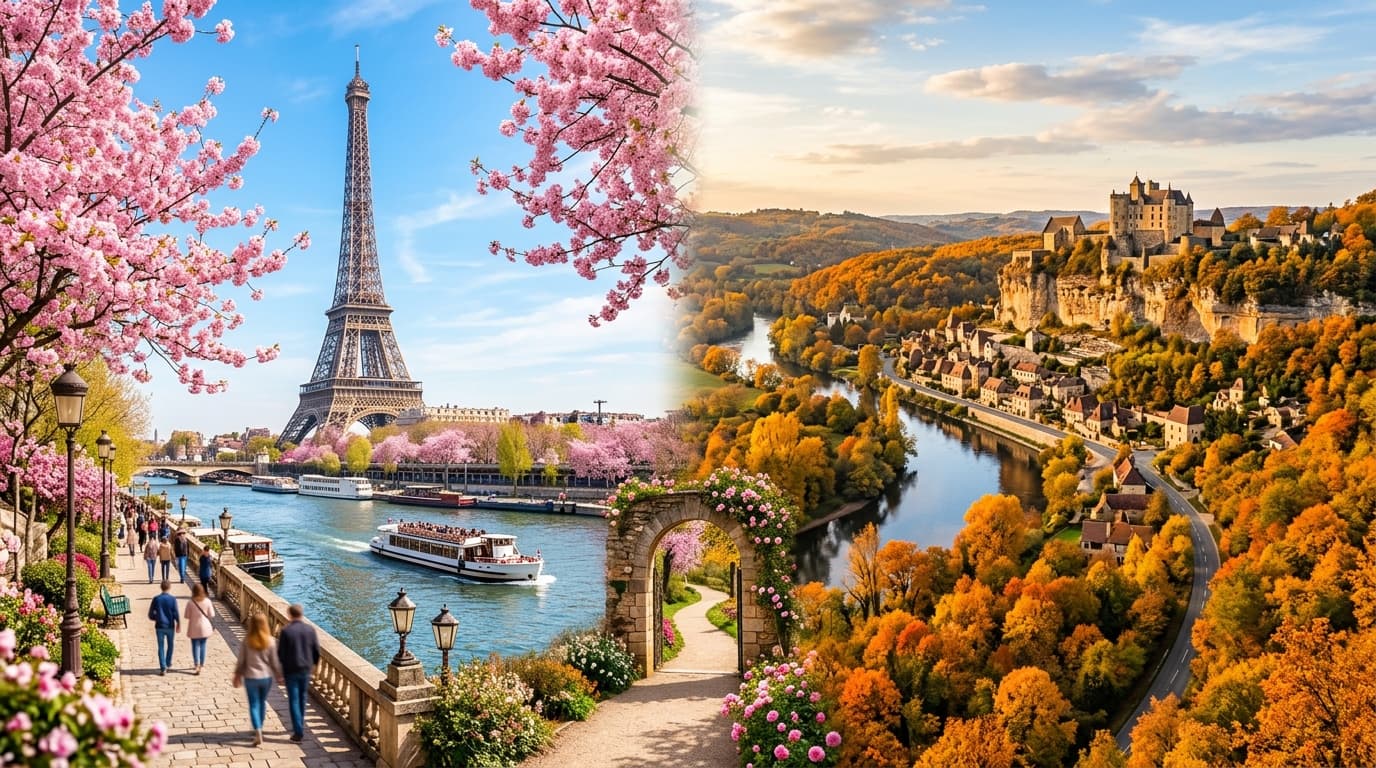
Choosing the best time to visit France means balancing weather, crowds, festivals, and your personal travel style—and the answer changes dramatically depending on which month you're planning for. From lavender-filled summers in Provence to magical Christmas markets in Strasbourg, France transforms throughout the year, each season offering distinct experiences that shape how you'll explore the country.
Key Takeaways
| Question | Answer |
|---|---|
| What is the best time to visit? | May, September, and October offer ideal weather and manageable crowds; summer (July-August) is warmest but most crowded; winter suits budget travelers and Christmas market enthusiasts |
| How much does it cost? | Budget €50-100/night for hostels, €80-200/night for mid-range hotels; peak season (July-August) costs 30-50% more than shoulder seasons |
| How do I get there? | Fly into Paris, Lyon, or Nice; use trains to connect regions via SNCF network |
| Is it safe? | France is generally safe; pickpocketing occurs in major tourist areas—stay alert in Paris metro and crowded attractions |
| What should I book in advance? | Summer accommodations (6-8 weeks ahead), popular museum tickets, wine tours, and high-speed trains (TGV) during peak season |
1. Spring in France (March–May): Awakening and Renewal
Spring transforms France into a landscape of blooming gardens, mild temperatures, and fewer tourists than summer. Spring travel to France offers one of the most rewarding experiences for those seeking authentic exploration without overwhelming crowds. Temperatures gradually rise from around 8°C (46°F) in March to 18°C (64°F) by May, making it ideal for walking tours and outdoor activities.
Our team's spring visits consistently reveal a France that feels more intimate than summer months. March brings unpredictable weather—expect rain and occasional frost, especially in northern regions—but by late April and May, conditions stabilize into warm, sunny days perfect for exploring. The Palace of Versailles gardens burst with color in May, and the Loire Valley châteaux welcome visitors without the July-August queues.
Easter Celebrations and Regional Festivals
Easter (dates vary annually, typically March or April) brings religious processions, special markets, and family-oriented celebrations throughout France. In Provence, Easter markets feature local produce, crafts, and traditional foods. Provence-Côte d'Azur towns like Avignon host vibrant street fairs during this period.
May Day (May 1) and Ascension Day (39 days after Easter) create long weekends that see increased tourism, particularly in Paris and along the French Riviera. Book accommodations 6-8 weeks in advance if traveling during these holidays.
Spring Weather and Packing Considerations
Layering essentials: Bring a light jacket, umbrella, and comfortable walking shoes. Mornings can be cool (10-12°C), while afternoons warm to 15-20°C. Rain is common in April, so waterproof layers are practical.
Best spring destinations:
- Paris and Île-de-France: Cherry blossoms in parks, outdoor café culture returns
- Provence: Almond blossoms in March, wildflower meadows by May
- Normandy: Mild weather ideal for exploring D-Day beaches and coastal towns
- Loire Valley: Château gardens in full bloom, perfect for Loire Valley château tours
2. Early Summer (June): The Sweet Spot Before Peak Season
June represents a transition month—warm enough for beach visits, yet less crowded than July and August. Temperatures range from 18-24°C (64-75°F), and daylight extends until 10 PM in northern France, giving travelers maximum exploration time. June travel to France combines summer warmth with spring's manageable crowds, making it increasingly popular among experienced travelers.
During our June visits, we've found that major attractions like the Louvre Museum and Eiffel Tower remain accessible without the 2-3 hour waits typical of July. Hotels still offer reasonable rates compared to peak season, though prices begin rising mid-month.
Summer Festival Season Begins
June marks the start of France's festival calendar. The Cannes Film Festival (typically May, but related events continue) gives way to music and arts festivals across the country. Strasbourg and other cities host open-air concerts and cultural events.
Father's Day (third Sunday in June) and the summer solstice (June 20-21) bring special celebrations. In Provence, the summer season officially opens with lavender beginning to bloom in higher elevations.
Outdoor Activities Peak
This is ideal timing for hiking in the Jura Mountains, cycling tours, and water sports. The Gorges du Verdon becomes popular for kayaking and swimming. Coastal regions see warm water temperatures (around 17-18°C), suitable for swimming and water activities.
3. Peak Summer (July–August): Maximum Heat and Crowds
July and August are France's busiest months, with temperatures soaring to 25-30°C (77-86°F) in most regions and exceeding 35°C (95°F) in southern areas. Summer in France brings peak tourism, with major attractions, trains, and accommodations operating at full capacity. Prices increase 30-50% compared to shoulder seasons, and popular sites require advance booking.
The advantages of summer travel include long daylight hours (sunset near 10 PM in July), warm Mediterranean waters perfect for beach days, and numerous outdoor festivals and events. However, the downsides are significant: queues at major attractions, crowded trains, inflated prices, and the challenge of finding last-minute accommodations in popular destinations.
The Tour de France and Summer Events
The Tour de France (typically early July, running through early August in 2026) dominates the summer calendar. This cycling event draws international attention and creates traffic disruptions along the route, though it also energizes towns and villages with celebrations and festivities.
Bastille Day (July 14) brings fireworks, parades, and street celebrations throughout France. Paris, Bordeaux, Lyon, and smaller towns all host festivities. Book accommodations well in advance—hotels fill 8-12 weeks ahead for this holiday.
Beach Season and Coastal Destinations
August is peak beach season. The Côte d'Azur (French Riviera), Brittany, and Atlantic coast beaches reach their warmest. However, beaches become extremely crowded, and finding parking near popular spots becomes nearly impossible. Consider visiting less-famous beaches or traveling mid-week to avoid weekend crowds.
Did You Know? France welcomes approximately 89 million international visitors annually, with July and August accounting for nearly 40% of annual tourism traffic.
4. Early Autumn (September): The Ideal Month
September is arguably the best month to visit France for most travelers. Summer heat moderates to comfortable 20-25°C (68-77°F), crowds thin dramatically after Labor Day (first Monday in September), and prices drop 20-30% from peak summer rates. Schools reopen in early September, reducing family tourism, while the weather remains warm enough for beach visits and outdoor exploration.
Our team consistently finds September offers the perfect balance: warm Mediterranean water (around 22-24°C), clear skies, manageable museum queues, and vibrant cultural programming. Wine harvest season begins in late September, making it ideal for visiting Bordeaux wine regions and Champagne houses.
Harvest Season and Wine Tourism
September marks the beginning of vendanges (grape harvest) in wine regions. Bordeaux, Burgundy, and Champagne regions welcome visitors for harvest experiences and tastings. Many vineyards offer special harvest events and tours during this period. Book wine tours 4-6 weeks in advance, as they fill quickly despite lower overall tourism.
Cultural Events and Festivals
The fall cultural season begins in September. Paris reopens its museums and galleries with new exhibitions after summer closures. Theater, opera, and concert seasons resume. Strasbourg and other cities host arts festivals celebrating the transition to autumn.
Practical Advantages
Budget benefits: Hotel rates drop significantly; mid-range accommodations average €80-120/night compared to €150-200+ in July-August. Train tickets become cheaper, and restaurant reservations are easier to secure.
Weather considerations: Occasional rain begins appearing by late September, but it's rarely heavy. Pack a light jacket and umbrella, but expect mostly sunny days.
5. Mid-Autumn (October): Golden Light and Fewer Tourists
October delivers what many consider France's most beautiful weather: crisp mornings (10-15°C), warm afternoons (18-22°C), and golden light that photographers cherish. October travel to France offers continued low crowds, reasonable prices, and spectacular natural scenery as leaves turn throughout the country.
The month is ideal for hiking, cycling, and exploring rural regions. The Jura Mountains, Loire Valley, and Provence all showcase autumn colors. Temperatures are cool enough for comfortable walking but warm enough to avoid heavy winter gear.
Autumn Markets and Regional Celebrations
October brings harvest festivals, truffle markets, and regional celebrations. In Périgord, truffle hunting experiences become available as the season opens. Mushroom foraging tours operate throughout forested regions. Local markets overflow with autumn produce: chestnuts, grapes, pumpkins, and game.
Accommodation and Dining Advantages
October offers excellent value. Hotels average €70-110/night for quality mid-range properties. Restaurants are less crowded, and chefs often feature seasonal autumn menus highlighting local ingredients. This is an ideal month for cooking classes focused on autumn cuisine.
Weather Considerations
Rain increases in October, particularly in northern regions. Pack waterproof layers and expect some rainy days, especially mid-to-late October. However, rain often clears quickly, revealing stunning skies. Morning fog in valleys creates atmospheric conditions perfect for photography and exploration.
6. Early Winter (November–December): Festive Season and Quiet Exploration
November represents the transition to winter, with temperatures dropping to 5-12°C (41-54°F) and rain becoming more frequent. November travel to France suits budget-conscious travelers and those seeking authentic, crowd-free experiences. Tourist numbers plummet, and prices reach their lowest levels of the year outside summer.
December transforms dramatically with the arrival of Christmas markets, holiday decorations, and festive celebrations. Strasbourg's Christmas markets are legendary, drawing visitors from across Europe. Paris, Lyon, and other major cities host spectacular holiday displays and markets.
Christmas Markets and Holiday Events
The Strasbourg Christmas Market (typically late November through December 31) is Europe's oldest and most famous. Markets operate in most French cities, offering artisan crafts, regional foods, mulled wine, and holiday gifts. These markets create magical atmospheres but draw crowds during weekends and holidays.
Christmas (December 25) and New Year's (December 31) bring festive celebrations, special menus, and holiday events. However, accommodations fill quickly for these dates, and prices spike. Book 10-12 weeks in advance for Christmas week travel.
Winter Weather and Packing
November and early December rarely see snow in most of France, though the Alps and higher elevations may have early snow. Pack warm layers, waterproof jackets, and comfortable walking shoes. Temperatures are cool but rarely extreme outside mountainous regions.
Did You Know? Strasbourg's Christmas Market has operated annually since 1570, making it one of Europe's oldest continuous holiday traditions.
Source: Strasbourg Tourism Board
7. Deep Winter (January–February): Budget Travel and Winter Sports
January and February are France's quietest months outside ski resorts. Winter travel to France offers dramatic cost savings—hotels average €50-90/night, restaurants are uncrowded, and major attractions have minimal queues. Temperatures range from 2-8°C (36-46°F), with occasional snow in northern regions and regular snow in the Alps.
This period suits travelers seeking authentic French experiences away from tourism infrastructure. Museums, galleries, and cultural institutions operate normally but with far fewer visitors. Winter is ideal for exploring Paris at a relaxed pace, enjoying French food culture, and experiencing regional traditions.
Winter Sports and Alpine Activities
The Alps and Pyrenees offer world-class skiing and winter sports. Chamonix Mont-Blanc and other ski resorts operate at full capacity during these months. Winter hiking, snowshoeing, and mountaineering are available in alpine regions. Book ski accommodations 8-10 weeks in advance.
Cultural Focus and Indoor Activities
Winter is perfect for deep cultural exploration. Spend extended time in museums, take cooking classes, attend theater performances, and explore regional cuisine. Many regions offer winter wellness retreats focused on spas, thermal baths, and relaxation.
Practical Considerations
Weather challenges: Rain is common; snow occurs in northern regions and mountains. Pack waterproof layers, warm clothing, and sturdy shoes with good traction. Daylight is limited—sunset occurs around 5 PM—so plan indoor activities for late afternoons.
Advantages: Fewer tourists mean authentic interactions with locals, easier restaurant reservations, and the ability to explore major attractions without crowds. This period is ideal for France on a budget.
8. Regional Variations: Microclimates and Seasonal Differences
France's diverse geography creates significant regional climate variations that affect optimal visiting times. Regional climate differences mean the best time to visit varies by destination.
Mediterranean South (Provence, Côte d'Azur)
The Mediterranean coast enjoys mild winters (5-10°C) and hot summers (28-35°C). September-October and April-May offer ideal conditions. Winter is pleasant for exploration but water temperatures (8-10°C) make swimming uncomfortable. The region receives minimal rainfall, with summer being the driest season.
Atlantic Coast and Brittany
Coastal Atlantic regions experience cooler summers (18-22°C) and milder winters (5-8°C) than inland areas. June and September are ideal for beach visits and coastal exploration. The region receives significant rainfall year-round, so waterproof layers are essential any season.
Alpine Regions
Mountain areas are cool year-round, with summer highs of 18-22°C and winter lows dropping below freezing. Summer (June-September) is ideal for hiking and outdoor activities. Winter brings heavy snow, making these regions prime for skiing but challenging for general tourism.
Paris and Northern France
Northern regions experience cool summers (20-24°C) and cold winters (2-6°C). Spring and early autumn are ideal. Summer crowds are intense in Paris, while winter offers cultural exploration with minimal tourism. Rain is common throughout the year.
9. Festival Calendar and Special Events Planning
France's festival calendar shapes travel timing for many visitors. Festival travel to France offers unique cultural experiences, though it requires advance planning and booking.
Major Annual Events
- Cannes Film Festival (May): Draws international celebrities and media; coastal accommodations book 3-4 months ahead
- Tour de France (July-early August): Creates traffic disruptions and celebrations along the route; small towns near the route fill quickly
- Avignon Theatre Festival (July): Transforms Avignon into a cultural hub; accommodations fill 8-10 weeks ahead
- Jazz festivals (various cities, June-September): Nice, Montreux, and other cities host major jazz events
- Wine harvest festivals (September-October): Bordeaux, Burgundy, and Champagne regions celebrate vendanges with tastings and events
Music and Arts Festivals
Summer brings outdoor concerts, opera performances, and arts festivals throughout France. Many châteaux host classical music concerts. Regional festivals celebrate local culture, food, and traditions. Check France.fr for comprehensive festival listings.
10. Booking Strategy and Advance Planning Timeline
Successful France travel requires understanding booking windows and advance planning timelines. Strategic advance booking can save 20-40% on accommodations and ensure access to popular experiences.
Accommodation Booking Timeline
| Season | Booking Window | Average Cost (Mid-Range) | Availability |
|---|---|---|---|
| Peak Summer (July-August) | 8-12 weeks | €150-250/night | Limited by mid-booking window |
| Shoulder (May-June, Sept-Oct) | 6-8 weeks | €90-150/night | Good availability |
| Winter (Nov-Feb) | 4-6 weeks | €60-100/night | Excellent availability |
| Christmas/New Year | 10-12 weeks | €120-200/night | Limited by 8 weeks |
Activity and Experience Booking
Wine tours, cooking classes, and guided experiences should be booked 4-6 weeks in advance during peak season, 2-4 weeks during shoulder seasons. Popular experiences like wine tasting in Bordeaux or perfume making in Grasse fill quickly.
Transportation Booking
High-speed trains (TGV) between major cities should be booked 4-8 weeks in advance for peak season. Advance booking typically saves 30-50% compared to walk-up fares. Use the SNCF website or local rail booking services. For France train travel, booking early is essential during summer.
Attraction Tickets
Major attractions like the Eiffel Tower, Louvre Museum, and Palace of Versailles should be booked online 2-4 weeks in advance. Skip-the-line tickets cost slightly more but save hours of waiting, particularly during peak season.
Did You Know? Online advance booking for major Paris attractions can reduce wait times from 2-3 hours to 15-30 minutes, and often costs only €2-5 more per ticket.
Source: Paris Tourism Board
11. Common Mistakes and What to Avoid
Understanding what to avoid helps travelers maximize their France experience. Common travel mistakes can significantly impact your visit.
Mistake 1: Visiting only in summer. July and August bring peak crowds, inflated prices, and exhausting queues. Shoulder seasons (May-June, September-October) offer superior experiences at lower costs with manageable crowds.
Mistake 2: Underestimating regional variations. Assuming France has uniform weather leads to packing mistakes and missed opportunities. Coastal regions differ dramatically from mountains; southern Provence differs from northern Normandy. Research your specific destination's climate.
Mistake 3: Not booking accommodations in advance. Waiting until 2-3 weeks before peak season travel often results in limited options and inflated prices. Book 6-8 weeks ahead for summer, 4-6 weeks for shoulder seasons.
Mistake 4: Skipping smaller towns. Focusing exclusively on Paris and major cities misses authentic France. Strasbourg, Avignon, and smaller Loire Valley towns offer richer experiences with fewer tourists.
Mistake 5: Ignoring weather in planning. November-February rain and occasional snow require appropriate clothing. Summer heat (30-35°C) demands sun protection and hydration. Pack for your specific season and region.
Mistake 6: Assuming English sufficiency. While major tourist areas have English speakers, rural regions and smaller towns rarely do. Learn basic French language basics or download translation apps.
Frequently Asked Questions
What is the absolute best month to visit France?
September offers the optimal combination of warm weather (20-25°C), minimal crowds, reasonable prices, and cultural programming. May and October are close alternatives, offering spring blooms or autumn colors with manageable tourism.
Is France cheaper in winter?
Yes, significantly. Winter (November-February) offers 40-50% lower accommodation costs compared to summer. Hotels average €50-90/night versus €150-250/night in July-August. Restaurants are less crowded, and attractions have minimal queues.
Can I visit France in December without freezing?
Yes. Most of France experiences mild winters (5-10°C) with occasional rain rather than snow. Pack warm layers and waterproof jackets. Northern regions and mountains are colder; southern regions remain pleasant. Christmas markets create festive atmospheres despite cool temperatures.
How far in advance should I book summer travel?
Book accommodations 8-12 weeks ahead for July-August travel. Reserve popular experiences (wine tours, cooking classes) 6-8 weeks in advance. Book high-speed trains 4-8 weeks ahead for significant savings.
What's the wettest season in France?
November through March experiences the most rainfall, particularly in northern and coastal regions. The Mediterranean south remains relatively dry year-round. Pack waterproof layers for winter and early spring travel.
Is spring or fall better for visiting France?
Both are excellent. Spring (April-May) offers blooming gardens, mild weather, and Easter celebrations. Fall (September-October) provides warm weather, harvest season, autumn colors, and lower crowds than spring. Choose based on your interests: gardens and flowers favor spring; wine harvest and hiking favor fall.
How do I avoid peak tourist season in France?
Travel in May, June, September, or October—shoulder seasons with excellent weather and manageable crowds. Avoid July-August entirely if possible. If you must travel in summer, visit mid-week and explore less-famous destinations.
Conclusion
The best time to visit France depends on your priorities, but September and May emerge as the optimal months for most travelers, combining pleasant weather, manageable crowds, and reasonable prices. Summer offers warmth and long days but demands advance booking and patience with crowds. Winter provides budget-friendly exploration and authentic experiences, though cool temperatures require appropriate clothing.
Use this month-by-month guide to align your travel dates with your interests: spring for gardens and Easter celebrations, early summer for outdoor activities, fall for wine harvest and hiking, winter for budget travel and cultural focus. Book accommodations 6-8 weeks in advance for peak season, 4-6 weeks for shoulder seasons, and plan specific experiences early.
Ready to plan your French adventure? Start by exploring our comprehensive France travel guide 2026 for detailed destination information, or dive into specific regions like the French Riviera or Provence. For budget-conscious travelers, our France on a budget guide offers practical cost-saving strategies.
We may earn a small commission from bookings made through our links, at no extra cost to you. This helps us keep creating free travel guides.
Sources & References
This article is based on first-hand experience and verified with the following official sources:

Go2France Team
Based in France since 2020 | All 13 regions visited | Updated monthly
We are a team of travel writers and France enthusiasts who explore the country year-round. Our guides are based on first-hand experience, local knowledge, and verified official sources.
More about us →Tags
People Also Read

France Visa Requirements 2026: Complete Tourist Guide
Complete guide to France visa requirements in 2026. Learn entry rules, application steps, costs, and timelines for tourists visiting France.
France Weather Guide: Seasons, Packing and Regional Differences
Navigate France's diverse weather with our guide to seasons, packing tips, regional variations, and festival planning for an unforgettable trip.
Best Time to Visit France: Month-by-Month Travel Guide
Unlock the best time to visit France with our detailed month-by-month guide, featuring weather, events, top spots, and smart planning tips to avoid crowds.

France Tours and Day Trips: What Is Worth It – Complete Guide for 2026
Honest guide to France tours and day trips: which are worth your money, best operators, pricing, and how to book smart.