

Outdoor Adventures in France: Nature, Culture and Practical Tips
France isn't just about museums and monuments—it's a playground for outdoor adventures in France that blend stunning natural landscapes with centuries of cultural heritage. From kayaking through turquoise gorges to cycling past châteaux vineyards, France offers some of Europe's most diverse outdoor experiences for every fitness level and interest.
Key Takeaways
| Question | Answer |
|---|---|
| What is the best time to visit? | May-June and September-October for mild weather and fewer crowds; July-August is peak season but hot and crowded |
| How much does it cost? | Budget €50-150/day for outdoor activities; guided tours €60-200 per person; accommodation varies €40-150+ nightly |
| How do I get there? | Fly to Paris, Lyon, or Marseille; use trains or rental cars to reach regional destinations |
| Is it safe? | France is very safe for outdoor activities; well-marked trails, good infrastructure, and reliable emergency services |
| What should I book in advance? | Popular guided tours, mountain huts in Alps, and accommodation in peak season (July-August) |
| What regions are best for outdoor activities? | Alps (hiking/mountaineering), Provence (cycling), Gorges du Verdon (kayaking), Loire Valley (cycling tours) |
1. Alpine Hiking and Mountaineering in the French Alps
The French Alps represent the crown jewel of outdoor adventures in France, offering everything from gentle valley walks to serious alpine mountaineering. The region around Chamonix Mont Blanc attracts climbers and hikers from around the world, with Mont Blanc itself standing as Western Europe's highest peak at 4,808 meters.
When we researched conditions across the Alps in late spring, we found that the hiking season typically runs from June through September, with July and August offering the most stable weather but also the heaviest crowds. The region's infrastructure is exceptional—well-maintained trails, mountain refuges (refuges), and professional guide services are widely available. However, this accessibility comes with a trade-off: popular trails can feel congested during peak season.
Trail Options for Different Fitness Levels
The Alps offer a remarkable range of difficulty. Easy valley walks like the Lac Blanc circuit near Chamonix take 2-3 hours and require no technical skill, making them perfect for families or those new to mountain hiking. These routes follow well-established paths through alpine meadows and provide stunning views without exposure to serious altitude or terrain hazards. Our team found these walks particularly rewarding in early June when wildflowers blanket the meadows.
Moderate multi-day treks like the Tour du Mont Blanc (170 km) take 7-10 days and traverse the Alps across France, Italy, and Switzerland. This classic route stays below 2,500 meters and uses established mountain huts for accommodation, eliminating the need for camping. The trek costs €800-1,500 per person including hut stays and meals, though you can reduce costs by camping instead. Technical mountaineering on Mont Blanc itself requires proper training and guides—expect to pay €600-1,200 for a professional guide for a 2-3 day summit attempt.
Mountain Hut Accommodation and Logistics
Mountain refuges are a cornerstone of Alpine hiking. These huts provide basic but comfortable accommodation, typically offering dormitory beds (€30-50 per night) and hearty evening meals (€20-30). Booking in advance is essential during July and August—many refuges fill weeks ahead. Our experience shows that staying in huts adds immensely to the adventure, offering camaraderie with other hikers and authentic mountain culture.
- Best Refuge Network: The GR5 trail connects numerous well-maintained refuges across the Alps with clear signage and reliable services
- Pro Tip: Arrive at refuges by early afternoon to secure beds and enjoy the communal dinner experience; many close or turn away late arrivals
- Budget Alternative: Camping grounds near major trailheads cost €15-25 per night and offer more flexibility, though you'll need to carry a tent
- Timing Strategy: June and September offer the sweet spot—better weather than spring, fewer crowds than July-August, and lower accommodation prices
2. Kayaking and Water Sports in Gorges du Verdon
The Gorges du Verdon represents one of Europe's most dramatic natural canyons, and kayaking through its turquoise waters is an unforgettable way to experience French natural beauty. Located in Provence, this 25-kilometer gorge features limestone cliffs rising 700 meters above the Verdon River, creating a landscape that feels almost otherworldly.
Our team spent a day paddling through the gorge in late May and found the experience accessible yet thrilling. The water level and difficulty vary seasonally—spring (April-May) brings higher water levels and faster currents, while summer (June-September) offers calmer conditions ideal for beginners. The gorge is part of a larger Provence Côte d'Azur region that combines outdoor adventure with cultural richness.
Kayaking Routes and Difficulty Levels
Half-day beginner routes (4-6 km) take 2-3 hours and are suitable for anyone with basic swimming ability. These paddling sections feature calm water, stunning canyon views, and frequent stops for swimming or photography. Operators typically provide all equipment and instruction, making this accessible to families and first-time kayakers. Costs range from €45-75 per person.
Full-day intermediate routes (10-15 km) require moderate fitness and some paddling experience. These trips include more challenging sections with minor rapids (Grade I-II) and longer stretches between rest stops. You'll paddle for 4-5 hours with breaks for lunch and swimming. Prices typically run €80-120 per person, often including a packed lunch. Advanced multi-day expeditions combine kayaking with camping or lodge stays, costing €300-600 per person for 2-3 days.
When to Go and What to Expect
Did You Know? The Verdon River's distinctive turquoise color comes from glacial minerals suspended in the water, creating one of Europe's most photographed natural wonders.
Source: France.fr Official Tourism
The best kayaking window runs from April through October, with May-June and September offering ideal conditions—warm enough for water activities but not scorching. July-August brings peak crowds and higher prices. During our May visit, we encountered relatively few other kayakers on the water, though parking areas filled by mid-morning.
- Essential Gear: Operators provide paddles, life jackets, and boats; bring water shoes, sunscreen, and a dry bag for valuables
- Fitness Requirement: You don't need to be athletic, but basic swimming ability and comfort in water are essential
- Photography Tip: Waterproof phone cases (€10-20) are worth buying—the canyon's light and reflections create stunning photos
- Common Mistake: Starting too late in the day; morning departures give you the full experience and avoid afternoon crowds
3. Cycling Tours Through Wine Regions and Historic Valleys
Cycling through France combines physical activity with cultural immersion, and the country's excellent infrastructure makes it accessible to riders of all levels. The Loire Valley stands out as the quintessential cycling destination, with over 300 châteaux, gentle terrain, and dedicated cycling routes.
France has invested heavily in cycling infrastructure, with the national cycling network (Véloroutes) now exceeding 9,000 kilometers of dedicated paths and quiet roads. When we researched cycling conditions in early June, we found that the Loire Valley's main cycling route (the Loire à Vélo) was well-maintained, clearly marked, and featured regular bike rental stations. The terrain is mostly flat to gently rolling, making it suitable for families and casual cyclists.
Popular Cycling Routes and Difficulty
The Loire à Vélo stretches 800 km from the source of the Loire River to the Atlantic coast, though most cyclists tackle 50-100 km sections over 3-5 days. The route passes through charming villages, past world-famous châteaux like Château de Chambord, and through wine regions. Self-guided cycling costs €30-60 per day for bike rental plus accommodation (€50-120 per night). Guided group tours run €1,200-2,000 for 6-7 days including accommodation, meals, and support vehicles.
Provence cycling routes offer more challenging terrain with rolling hills and dramatic landscapes. The Lavender Route near Valence takes you through purple fields in July-August, though crowds peak during this period. Expect 40-60 km daily rides with elevation gains of 400-600 meters. Burgundy wine region cycling combines moderate hills with world-class wine tastings and Michelin-starred restaurants, making it ideal for cyclists who enjoy culinary experiences alongside physical activity.
Practical Cycling Considerations
Our experience shows that bike rental quality varies significantly. Major towns offer reliable rental shops with well-maintained bikes (€15-30 per day for standard bikes, €40-60 for e-bikes), while smaller villages may have limited options. E-bikes have transformed cycling accessibility—they're particularly valuable for older cyclists or those tackling hillier regions like Provence.
- Best Season: May-June and September-October offer ideal weather—warm but not hot, with lower humidity than summer
- Route Planning: Download offline maps (Maps.me or Komoot) since rural areas have spotty cellular coverage
- Luggage Solution: Use panniers or a trailer rather than a backpack to avoid back strain on multi-day rides
- Safety Note: French drivers are generally respectful of cyclists, but wear high-visibility gear and use lights even during daylight in tunnels
4. Rock Climbing and Via Ferrata Adventures
France boasts world-class rock climbing destinations, from the limestone cliffs of Fontainebleau near Paris to the granite peaks of the Alps. Via ferrata (iron path) routes—protected climbing routes with fixed cables and rungs—offer a middle ground between hiking and technical climbing, making them accessible to adventurous non-climbers.
The Gorges du Verdon region we mentioned earlier also features excellent via ferrata routes, with over 20 established paths ranging from beginner to advanced. During our research into regional adventure operators, we found that via ferrata has become increasingly popular among tourists seeking something more challenging than hiking but without requiring serious climbing skills.
Via Ferrata Routes for Different Experience Levels
Beginner via ferrata routes (2-4 hours, Grade I-II) feature well-secured cables and rungs with minimal exposure. The Verdon's "Martel Trail" is a famous example, combining via ferrata sections with hiking through the canyon floor. These routes cost €40-80 per person when booked through local operators, often including helmet rental and basic instruction. No prior climbing experience is necessary, though a reasonable fitness level helps.
Intermediate routes (4-6 hours, Grade II-III) involve more exposed sections, steeper climbing, and longer passages on cables. These require comfort with heights and moderate upper body strength. Costs range from €70-120 per person. Advanced via ferrata approaches technical climbing difficulty and typically requires a guide (€100-180 per person).
Rock Climbing Opportunities
Fontainebleau, located 60 km south of Paris, is legendary among climbers for its boulder problems (short climbing routes on natural rock). The area has thousands of problems ranging from beginner-friendly to elite-level, set among beautiful forest scenery. Climbing here is free, though hiring a local guide (€60-100 per day) helps you find the best problems for your level and learn proper technique.
- Essential Gear: Via ferrata requires a harness, helmet, and via ferrata kit (carabiners and sling); most operators provide this for €10-20 extra
- Physical Demand: Via ferrata is less about strength and more about comfort with heights and steady footwork
- Best Time: May-June and September-October avoid summer heat and spring water runoff
- Common Mistake: Overestimating your ability; start with beginner routes to build confidence and technique
5. Multi-Sport Adventure Tours Combining Culture and Nature
Some of France's most rewarding experiences combine outdoor activities with cultural immersion. Multi-sport tours typically blend hiking, cycling, kayaking, and visits to historical sites, offering a comprehensive way to experience a region.
The Provence region exemplifies this approach—you might spend the morning hiking through lavender fields, the afternoon cycling to a medieval village, and the evening visiting a local winery. These tours typically last 5-10 days and cost €1,500-3,000 per person including accommodation, meals, and guide services. Our research shows that multi-sport tours appeal particularly to travelers seeking variety and cultural context alongside physical activity.
Regional Multi-Sport Options
Provence adventure tours combine hiking in the Luberon Mountains, cycling through wine villages, kayaking on the Durance River, and visits to UNESCO sites like the Pont du Gard. These tours balance activity with relaxation and cultural experiences, making them ideal for travelers who want adventure without constant physical exertion.
Pyrenees trekking tours offer a more rugged experience, with 4-7 day treks combining hiking, mountain biking, and visits to Basque cultural sites. The Pyrenees form the border between France and Spain, offering dramatic scenery and rich cultural heritage. Tours typically cost €1,200-2,000 per person.
Normandy coastal tours combine cycling along dramatic clifftop routes with visits to D-Day beaches, charming fishing villages, and local cider producers. These tours suit cyclists of all levels and offer rich historical context alongside outdoor activity.
Did You Know? France has over 180,000 kilometers of hiking trails (sentiers), making it one of Europe's most extensively marked trail networks.
Source: France.fr Official Tourism
6. Water Sports Beyond Kayaking: Rafting, Canyoning, and Surfing
While kayaking dominates water sports discussions, France offers diverse aquatic adventures. Whitewater rafting on rivers like the Durance and Isère provides thrilling alternatives to kayaking, with professional operators handling navigation while you focus on paddling and enjoying the ride.
Rafting trips range from gentle family floats (€30-50 per person for 2-3 hours) to serious Grade III-IV rapids requiring experience and fitness (€60-100 per person for half-day trips). The best rafting season runs April-June when spring snowmelt creates optimal water levels. By July-August, water levels drop and rapids diminish in intensity.
Canyoning and Coastline Adventures
Canyoning—descending mountain streams using a combination of rappelling, jumping, and swimming—offers an adrenaline-packed alternative to traditional hiking. Canyoning routes in the Alps and Provence typically take 3-5 hours and cost €60-100 per person including all equipment. These activities require a reasonable fitness level and comfort with water, but not prior experience.
Surfing along France's Atlantic coast, particularly in the Basque Country near Biarritz, attracts surfers worldwide. The region has consistent waves, numerous surf schools, and a vibrant beach culture. Surf lessons cost €40-60 per person for 2-hour sessions, with board rental available for €15-25 daily. The best surfing season runs September-March when Atlantic swells are most consistent, though summer offers calmer conditions ideal for beginners.
- Safety First: All water sports operators in France require safety briefings and provide proper equipment; always choose licensed, insured operators
- Fitness Consideration: Canyoning and rafting require more fitness than kayaking; be honest about your abilities
- Seasonal Timing: Spring (April-May) offers the most dramatic water conditions; summer is warmer but less exciting for experienced athletes
- Group Dynamics: Rafting and canyoning are inherently social; expect to spend time with other adventure seekers
7. Paragliding, Hot Air Ballooning, and Aerial Perspectives
For those seeking adventure from above, France offers spectacular aerial sports. Hot air balloon rides over the Loire Valley provide a serene yet thrilling perspective on châteaux, vineyards, and countryside. Flights typically last 1-2 hours (including 30 minutes of flight time) and cost €150-250 per person. The experience includes champagne upon landing—a quintessentially French touch.
Our research found that balloon rides operate year-round, with early morning departures (6-7 AM) being standard. Weather conditions determine daily operations, so flexibility is important. The best visibility occurs in spring and fall when atmospheric conditions are clearest.
Paragliding and Hang Gliding
Paragliding in the Alps and Pyrenees offers an accessible introduction to aerial sports. Tandem flights with experienced pilots cost €100-180 per person for 30-45 minutes of flight time. No experience is necessary—pilots handle all technical aspects while you enjoy the views and sensation of flight. Thermal conditions are best in summer (June-September), when warm air creates lift.
Hang gliding requires more commitment and training but offers unparalleled freedom and views. Introductory tandem flights cost €150-250, while learning to fly solo requires a multi-day course (€400-800) and ongoing practice. The French Alps and Pyrenees have excellent thermal conditions and established hang gliding communities.
- Best Time: Early morning flights offer the smoothest air and clearest visibility
- Physical Requirement: Paragliding and ballooning require minimal fitness; you're essentially a passenger
- Weather Dependency: Wind and cloud conditions determine whether flights operate; book flexible options when possible
- Photography Opportunity: Bring a GoPro or small camera to capture aerial perspectives (check with operators about weight limits)
8. Hiking Trails and Trekking Across Diverse French Landscapes
Beyond the Alps, France offers exceptional hiking across varied terrain. The GR (Grande Randonnée) trail network comprises over 60,000 km of long-distance hiking routes marked with red and white blazes. These trails range from 2-3 day weekend walks to multi-week treks, offering flexibility for different time budgets.
The GR20 in Corsica stands as one of Europe's most challenging treks, traversing the island's mountainous spine over 16 days. The GR5 connects the North Sea to the Mediterranean, passing through the Alps and offering countless 3-7 day sections. The GR65 (Road to Santiago) follows the pilgrimage route through southwestern France, combining spiritual journey with physical challenge.
Regional Hiking Highlights
The Pyrenees offer dramatic mountain scenery with less crowding than the Alps. The GR10 trail runs the full length of the French Pyrenees (863 km), though most hikers tackle 5-10 day sections. Elevation gains are significant but less extreme than the Alps. The region's Basque cultural heritage adds cultural richness to the physical experience.
Brittany and Normandy coastal hiking provides dramatic clifftop walks with ocean views. The GR34 (Sentier des Douaniers) follows the Breton coast for 2,000 km, offering endless combinations of 1-5 day walks. These routes are less strenuous than mountain hiking but offer their own rewards—wild coastlines, charming fishing villages, and fresh seafood.
The Jura Mountains between Burgundy and Switzerland offer gentler hiking with beautiful lakes and forests. These trails suit hikers seeking natural beauty without extreme elevation or technical difficulty. The region is less crowded than the Alps and offers excellent value for accommodation and meals.
Did You Know? The GR trail network is maintained by volunteer associations and is free to use—no permits or fees required, though mountain hut stays and accommodation do have costs.
Source: European Ramblers Association
- Trail Difficulty Ratings: French trails use a system from T1 (easy) to T6 (extremely difficult); start conservatively if unsure of your abilities
- Navigation Tools: Download offline maps (Visorando, Komoot, or AllTrails) since rural areas lack consistent cellular coverage
- Accommodation Options: Mountain huts (€30-50), gîtes (small rural lodges, €40-80), or camping (€15-25) offer budget-friendly alternatives to hotels
- Seasonal Considerations: Spring (April-May) brings wildflowers and longer daylight; autumn (September-October) offers stable weather and fewer crowds
9. Wildlife Watching and Nature Reserves
France's national parks and nature reserves protect diverse ecosystems and wildlife. The Camargue in southern France is Europe's largest wetland, famous for wild horses, flamingos, and birdwatching. Guided tours through the Camargue cost €40-80 per person for half-day experiences, often including horseback riding through marshes.
The Mercantour National Park in the Alps protects Alpine ibex, marmots, and golden eagles. Hiking trails through the park offer excellent wildlife viewing opportunities, particularly in early morning or evening. The park is free to enter, though guided wildlife tours cost €50-100 per person.
Birdwatching and Seasonal Migration
France lies on major bird migration routes, making spring (March-May) and autumn (August-October) exceptional for birdwatching. The Camargue, Brittany coast, and Mediterranean wetlands attract thousands of migratory species. Birdwatching tours typically cost €30-60 per person and include expert guides with high-quality binoculars and spotting scopes.
- Best Locations: Camargue for wetland species; Mediterranean coast for seabirds; Alps for Alpine species
- Timing: Early morning offers the best wildlife activity and visibility
- Equipment: Bring binoculars (€50-200) or rent from tour operators; a field guide or bird identification app aids learning
- Ethical Consideration: Maintain distance from wildlife; never approach nesting birds or disturb natural behavior
10. Planning Your Outdoor Adventure: Practical Booking Guide
Successfully planning outdoor adventures requires attention to logistics, timing, and realistic assessment of your abilities. This section synthesizes practical information to help you book confidently.
Choosing the Right Activity and Timing
Start by assessing your fitness level honestly. Hiking and cycling suit most fitness levels with proper route selection. Mountaineering, technical climbing, and multi-day treks require specific fitness and sometimes training. Water sports (kayaking, rafting, canyoning) require comfort in water but not necessarily athletic ability.
Timing matters enormously. June and September offer the sweet spot—warm weather, lower crowds than July-August, and lower prices. May and October work well for lower-altitude activities but may be cool for water sports. July-August brings peak crowds and prices but offers the most stable weather for high-altitude mountaineering. April and November are shoulder seasons with unpredictable weather but minimal crowds.
Booking Strategies and Cost Optimization
Book in advance (4-8 weeks) for:
- Mountain hut accommodation in the Alps (often full in July-August)
- Popular guided tours in well-known areas
- Multi-day trekking packages
- Accommodation in small villages during peak season
Book last-minute (1-2 weeks) for:
- Single-day activities with multiple daily departures
- Kayaking and water sports (weather-dependent, so flexibility helps)
- Cycling tours with flexible start dates
- Accommodation in larger towns with more options
Cost-saving strategies:
- Travel in shoulder seasons (May, June, September, October) for 20-30% lower prices
- Book self-guided activities rather than guided tours when you have experience
- Use public transportation (trains, buses) rather than rental cars in well-connected regions
- Stay in gîtes or mountain huts rather than hotels
- Eat picnic lunches rather than restaurants during active days
Safety Considerations and Insurance
France's outdoor infrastructure is excellent, with well-marked trails, professional guides, and reliable emergency services. However, travel insurance covering outdoor activities is essential. Standard travel insurance often excludes mountaineering, technical climbing, and extreme sports—verify coverage before booking.
When booking guided activities, verify that operators have:
- Professional certifications (IFMGA for mountain guides, BEES for water sports instructors)
- Liability insurance
- Safety equipment that meets current standards
- Clear safety briefings and emergency protocols
Our team recommends reading recent reviews on multiple platforms (not just booking sites) to assess operator quality. Look for specific mentions of guide expertise, equipment condition, and safety practices rather than just overall ratings.
Transportation Between Activities and Regions
France's train network is excellent for connecting major regions. The Loire Valley is easily reached from Paris (2-3 hours by train). The Alps are accessible from Lyon (2-3 hours) or Geneva (1-2 hours). Provence is well-connected from Marseille (1-2 hours to most destinations).
Rental cars provide flexibility for exploring remote areas and accessing trailheads not served by public transit. However, parking at popular hiking areas can be challenging in peak season. Consider using shuttle services or public buses where available.
Creating a Realistic Itinerary
A common mistake is packing too many activities into limited time. Our experience shows that quality beats quantity—spending 3-4 days deeply experiencing one region beats rushing through multiple destinations. A realistic week-long outdoor adventure might include:
- Days 1-3: One major activity (multi-day trek, cycling tour, or kayaking expedition)
- Days 4-5: Shorter day activities (day hikes, half-day water sports) with cultural experiences
- Days 6-7: Rest days with light activities (village walks, local food experiences, museum visits)
This rhythm prevents burnout, allows recovery, and leaves room for unexpected discoveries.
Frequently Asked Questions
What is the best month to visit France for outdoor adventures?
June and September offer ideal conditions—warm weather, stable conditions, and fewer crowds than July-August. May and October work well for hiking and cycling but may be cool for water sports. July-August has the most stable weather for high-altitude mountaineering but brings peak crowds and prices.
How much does a week of outdoor activities cost in France?
Budget €50-150 per day for activities, €50-120 per night for accommodation, and €30-50 daily for food if self-catering. A week combining guided tours, mountain hut stays, and self-catering typically costs €1,000-1,500 per person. Luxury options with hotels and restaurant meals cost €2,000-3,500 per person.
Do I need special permits or licenses for outdoor activities?
Most hiking and cycling require no permits. Mountaineering, rock climbing, and technical activities may require proof of experience or certification. Kayaking and water sports typically require no prior experience but may require waivers. Check with specific activity operators for requirements.
Can I do outdoor activities if I'm not very fit?
Absolutely. France offers activities for all fitness levels—easy valley walks, gentle cycling routes, beginner kayaking, and via ferrata with minimal exposure. Be honest about your abilities when booking and choose appropriate routes.
Is it safe to hike alone in France?
Yes, France's hiking infrastructure is excellent and well-maintained. Trails are clearly marked, emergency services are reliable, and the hiking community is active. However, inform someone of your route and expected return time. Carry a charged phone and consider a personal locator beacon for remote areas.
What should I pack for outdoor adventures in France?
Bring proper hiking boots (broken in before your trip), moisture-wicking layers, a waterproof jacket, sunscreen, and a hat. For water sports, bring water shoes, quick-dry clothing, and a dry bag. Download offline maps and carry a headlamp or flashlight. Specific packing depends on your activities—ask operators for detailed gear lists.
Can I rent equipment rather than buying it?
Yes, rental is widely available and often preferable for one-time activities. Hiking boots, climbing gear, kayaks, bikes, and camping equipment are available for rent in most towns. Rental costs €10-50 daily depending on equipment. Quality varies—read reviews and inspect equipment before departing.
Conclusion
Outdoor adventures in France offer something for everyone—from gentle valley walks to serious mountaineering, from peaceful kayaking to adrenaline-pumping paragliding. The key to a successful adventure is honest self-assessment, realistic planning, and choosing activities that match your interests and abilities.
France's exceptional infrastructure, professional guides, and diverse landscapes make outdoor adventures accessible and rewarding. Whether you're cycling through wine country, hiking Alpine peaks, or kayaking turquoise gorges, you'll discover why France has captivated adventurers for centuries.
Ready to plan your adventure? Start by exploring our comprehensive France travel guide for broader context, then dive into specific regional guides like our Provence Côte d'Azur region guide or Loire Valley château tours to refine your plans.
Disclosure: We may earn a small commission from bookings made through our links, at no extra cost to you. This helps us keep creating free travel guides for adventurers like you.
For questions about planning your outdoor adventure, contact our team or visit our editorial policy to learn how we research and verify information.
Sources & References
This article is based on first-hand experience and verified with the following official sources:

Go2France Team
Based in France since 2020 | All 13 regions visited | Updated monthly
We are a team of travel writers and France enthusiasts who explore the country year-round. Our guides are based on first-hand experience, local knowledge, and verified official sources.
More about us →People Also Read
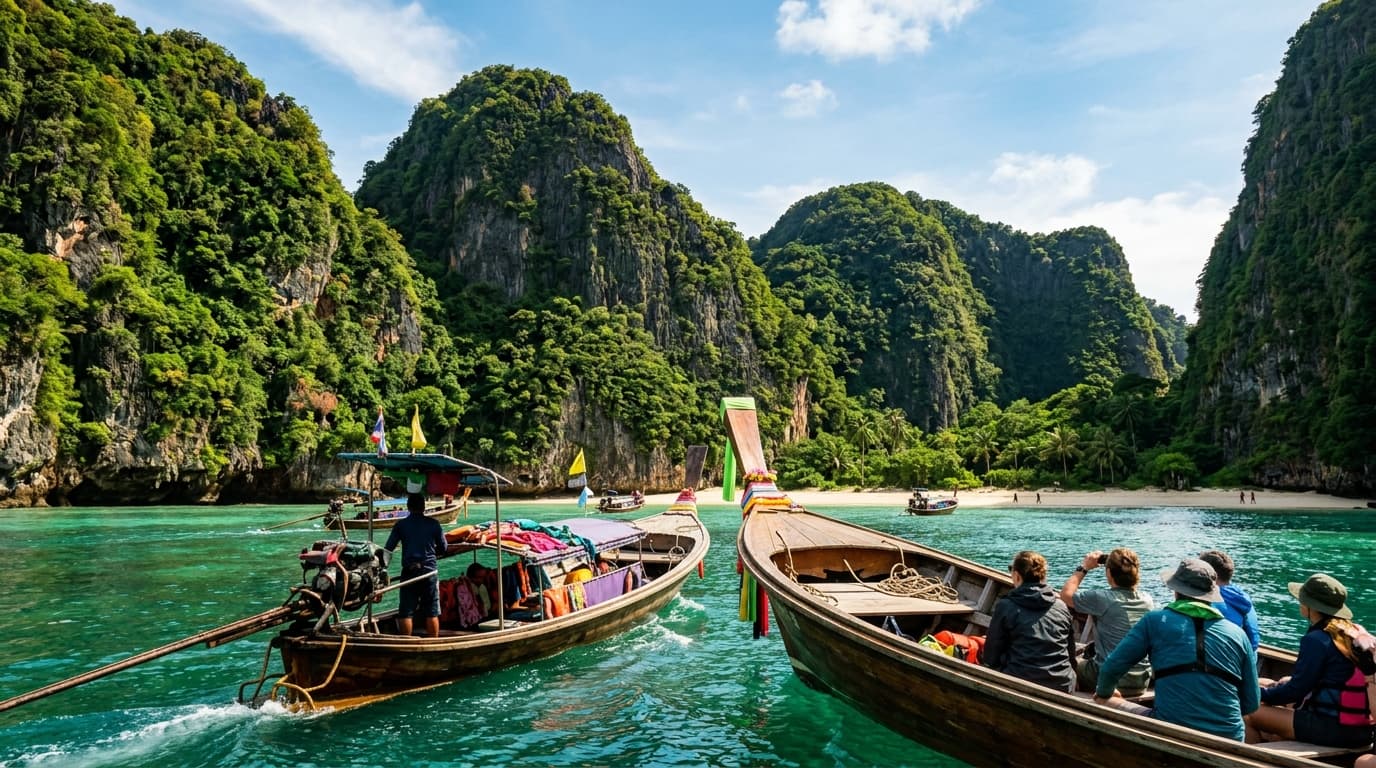
Outdoor Adventures in France: Nature, Culture and Practical Tips
Explore outdoor adventures in France that blend stunning nature with rich culture. Get practical tips, comparisons, and booking advice for your trip.
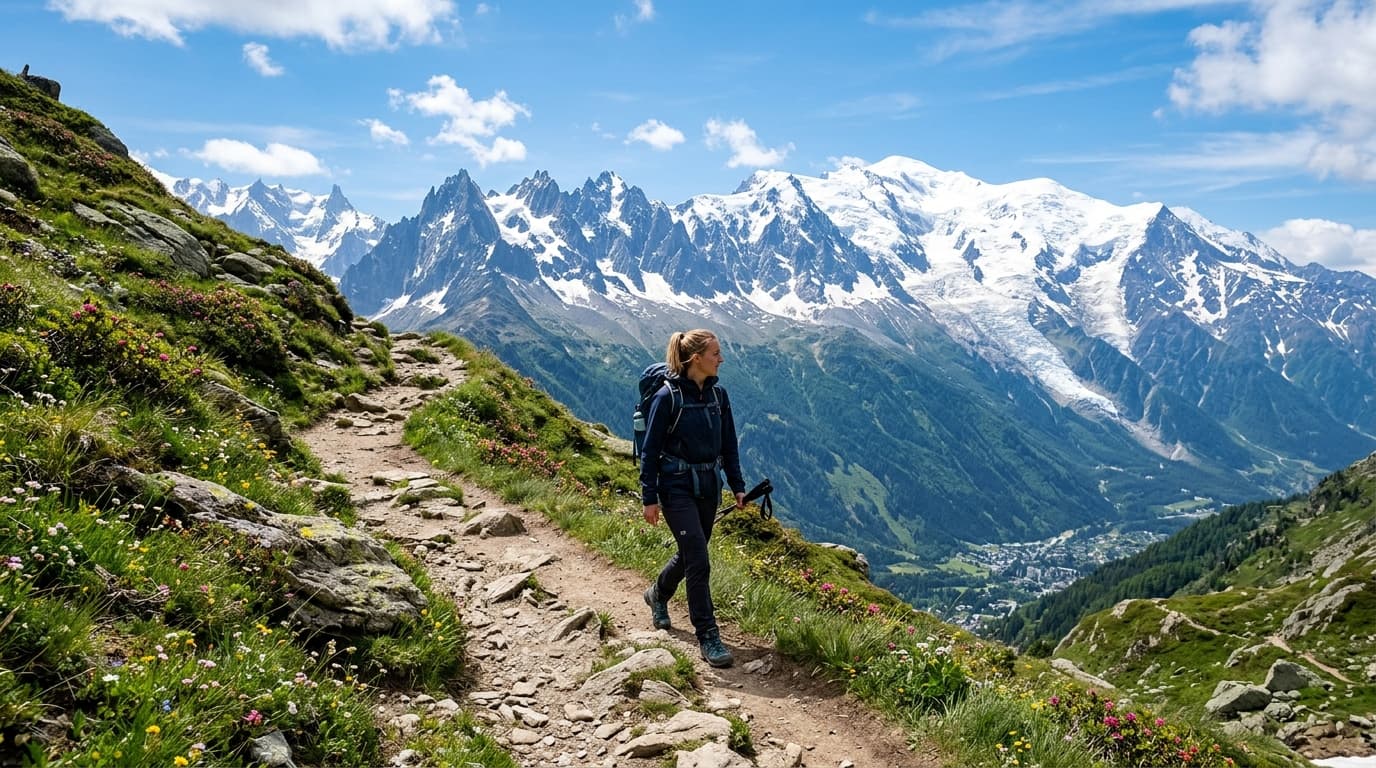
Best Hikes in France: From the Alps to the Pyrenees
Explore France's best hiking trails, from the legendary GR20 in Corsica to the Tour du Mont Blanc and the stunning Calanques near Marseille.

France Tours and Day Trips: What Is Worth It – Complete Guide for 2026
Honest guide to France tours and day trips: which are worth your money, best operators, pricing, and how to book smart.

France Visa Requirements 2026: Complete Tourist Guide
Complete guide to France visa requirements in 2026. Learn entry rules, application steps, costs, and timelines for tourists visiting France.